
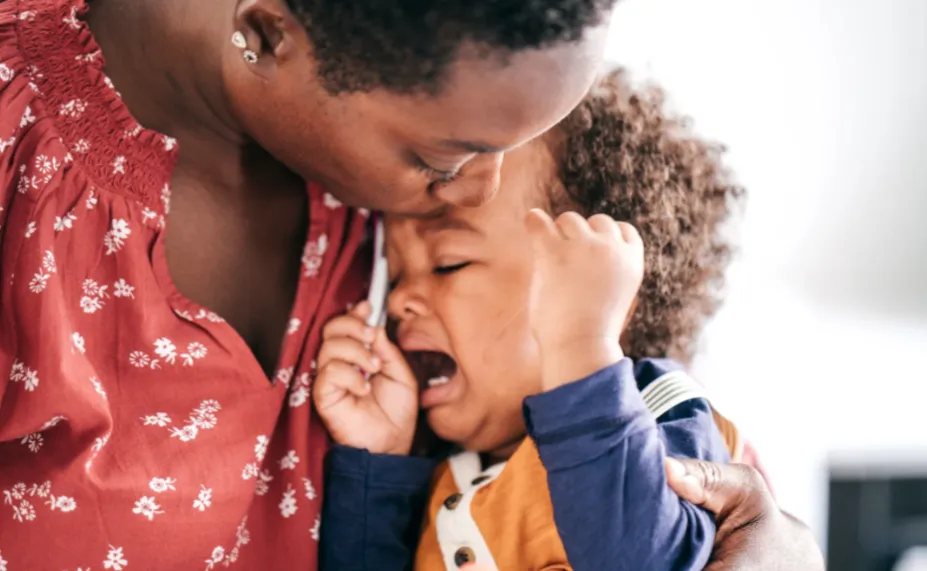
Big Feelings, Clear Boundaries
One of the more challenging aspects of parenting for me, Shannon, has been figuring out how to teach my kiddo that all feelings are valid -- but that doesn’t mean all behaviors are okay. I don’t want to stifle my child’s feelings. And I want to raise a child that doesn’t lash out in anger or frustration.
The biggest challenge is keeping our own emotions in check while also supporting our children in learning to regulate theirs.
Kids naturally have big feelings that they don’t yet understand or know how to deal with. Learning emotional regulation is a process and it is developmentally appropriate that our kids can’t always do so themselves. That part of their brain and nervous system isn’t mature yet. And spoiler alert: those systems continue developing into the mid 20’s. There are plenty of adults that still struggle with regulating their emotions. We all have our moments.
We want to teach our children the best ways to handle big emotions and help them learn what to do when big feelings hit their bodies. It helps to separate emotions from behavior, “It seems you are feeling really angry that your friend took your toy.” AND “I will not let you hit your friend. You can stand with me until you are in control of your body again.” Depending on the child, their age and stage, they may also need some support in regaining their calm.
To start, it’s a great strategy to name the emotion your child is showing. “Wow, it looks like you’re really angry right now” or “It seem like you are getting frustrated.” Helping your child name their emotions can sometimes deescalate the situation. We can “name it to tame it.” At the same time, it is important we don’t specifically tell our child how they feel. By suggesting what it appears they are feeling we give them the opportunity to clarify as they learn to identify and name their own emotions for themselves. When we acknowledge what is going on for them, they feel validated and seen. We are supporting their developing emotional intelligence as they learn to identify and work through their feelings.
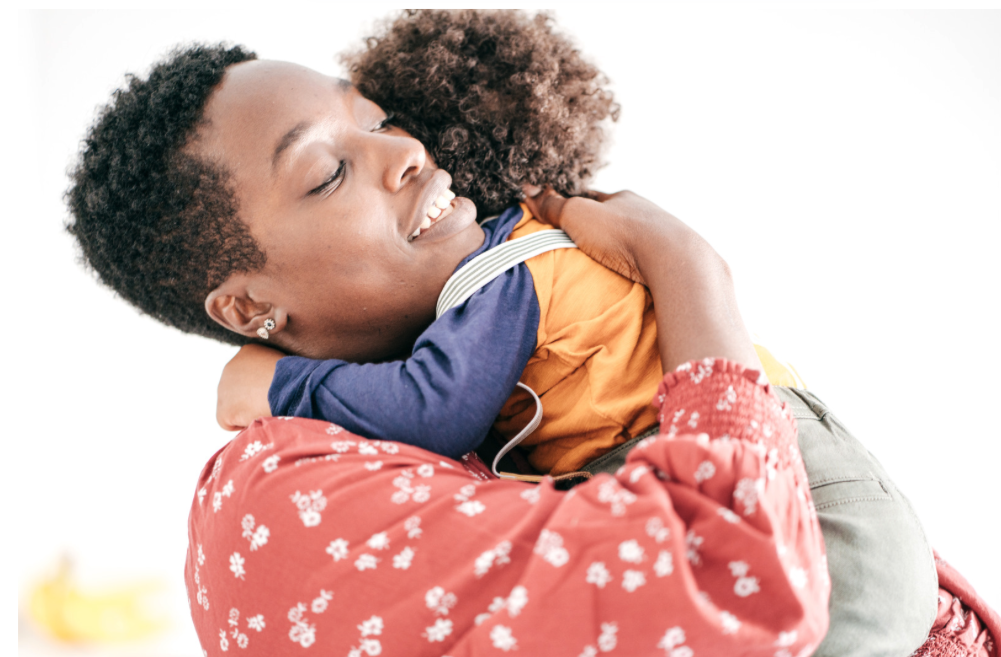
Of course, that doesn’t keep our kids from losing their cool in the first place. When these emotions break out in their little bodies it’s important we don’t lose our cool as well. An unregulated, angry adult is going to have a really hard time helping a dysregulated child back to their calm. That’s when things really escalate. This may mean that we need to take a second to work on our own strategies for reregulating; take some deep breaths, unclench your jaw, shake out your arms, or go splash water on your face. When we find our own calm and regulation first, we provide a model for our kids. We also show them that we aren’t scared by their big emotions and can support them with their feelings.
Sometimes we can catch our little ones before they go completely off the deep end into the abyss of dysregulation by providing an outlet to help them move through their feelings. It may be helpful to invite your kiddo to do something physical – to run or bike, jump on a trampoline, do animal walks (jump like a frog, crawl like a bear), or be wrapped up like a burrito. Anything works that will get them out of their heads and able to channel their feelings out of their body. For other kids it might be that they need a break – time in a quiet room or snuggle time with mom or dad. They need the environment to be calm to help them find their own peace. Over time, our kids will learn to use these strategies independently.
When a kiddo is in the middle of a moment of full dysregulation, our number 1 goal must be to keep everyone safe. If your child is lashing out in anger and trying to hit or kick you can say, “I see you are really mad. I understand why you feel that way, but I will not let you hit me.” That may mean holding their hands or moving your body away so they can’t reach you. When my son was very small, we’d occasionally end up either side of a baby gate and I’d tell him, “I can’t be with you if you are going to hurt my body. I’m right here for you but I will not let you hit me”.
To help understand what happens in our brains and bodies with big emotions, Dan Siegel has a great analogy of the “flipped lid” to show how the “thinking brain” isn’t connected when someone is super dysregulated. (click here) It also helps us understand why it’s important to wait until our child (and ourselves) are back in control before trying to have any kind of big conversation around their behavior. Once everyone is fully back to their regulated state, then we can talk about what to do next time or why certain behaviors are not okay. It's a process we are continually called on to support as our little ones learn and grow.
With you on the journey,
~ Shannon & Tammy
“Staying calm isn't about never losing it -- it's about showing your child that big feelings can be met with safety, not shame.”
~Niki Green
We look forward to supporting you as you support your kids and family.
Have you checked out The Guiding Parent Podcast yet? Listen in on your favorite podcast platform.
Click on the links at the bottom of the page to Follow Us on social media for additional parenting tips and insights.
Do you have questions or topics you’d like to know more about? We’d love to hear from you! Send us an email.
Don't miss future Guiding Insights Issues...subscribe to receive new issues directly to your inbox!

The Guiding Mindset Newsletter brought to you by:
Tammy Ulrich - parenting & early childhood educator
and her daughter, Shannon Achilles, mom to 11 year old H.













Facebook
Instagram
LinkedIn